Mitochondrial peptide
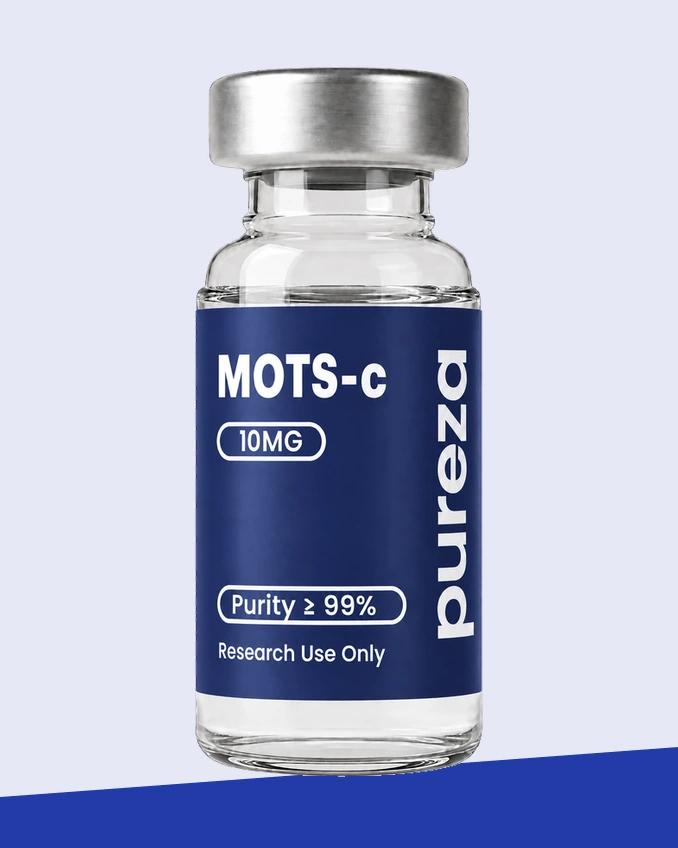
MOTS-c
MOTS-c is a 16-amino-acid peptide encoded in mitochondrial DNA, within the 12S ribosomal RNA region. In preclinical models, it has been described as acting on the folate-purine pathway and AMP-activated protein kinase. It has been investigated in models of mitochondrial metabolism in rodent studies.
$1,242 MXN / unit
Mass: 10 mg
In stock · SKU MOTS-10
Prices in Mexican pesos. Cart and secure checkout are currently in Spanish. Shipping and any applicable discounts are shown before payment.
For laboratory research only. Not for human or veterinary use.
Shipping within Mexico · Free from $2,500 MXN.
Shipping protection included: report damage with photos within 24 hours of delivery for one replacement.
Shipping termsResearch context & mechanism
The peptide is associated with AMPK regulation in cellular models. Its mitochondrial origin places it among the mitochondrial genome-derived peptides described in preclinical research.
Technical specifications
Reference specifications describe the material. They do not replace the analytical results for a specific batch.
- Chemical name
- Peptide derived from mitochondrial 12S rRNA
- Sequence
- Met-Arg-Trp-Gln-Glu-Met-Gly-Tyr-Ile-Phe-Tyr-Pro-Arg-Lys-Leu-Arg
- Molecular formula
- Not available
- Molecular weight
- 2174.6 Da
- CAS number
- 1627580-64-6
- Form
- Lyophilized powder
- Appearance
- White to off-white solid
- Purity specification
- Declared in the batch certificate
- Identity
- Declared in the batch certificate
- Solubility
- Soluble in sterile water and bacteriostatic water
- Storage
- −20 °C, protected from light
- Stability after reconstitution
- Keep refrigerated at 2–8 °C and use within the period defined by the laboratory protocol
Batch documentation
Review documentation for the product and variant you are purchasing. A reference specification, a research publication and an individual batch certificate are different sources. Certificate results are accessed with your order details; if documentation is available on request, contact support before relying on it.
Consult batch certificates How to read documentationLaboratory handling
- Reconstitution
- Laboratory procedure: allow the closed vial to reach room temperature, disinfect the septum and slowly transfer the diluent against the inner wall of the vial. Do not shake; gently swirl the vial until fully dissolved. Record the volume, diluent and date in the batch log.
- Storage
- Sealed vial of lyophilized material: store at −20 °C, protected from light and moisture. Avoid repeated freeze-thaw cycles of reconstituted material; aliquot when the experimental design permits.
- Protective equipment
- Handle in a clean work area with a lab coat, nitrile gloves and eye protection. Dispose of vials, tips and sharps according to the laboratory waste procedure.
Research references
- The mitochondrial-derived peptide MOTS-c promotes metabolic homeostasis and reduces obesity and insulin resistance
Cell Metab · 2015 · PMID 25738459
- MOTS-c is an exercise-induced mitochondrial-encoded regulator of age-dependent physical decline and muscle homeostasis
Nat Commun · 2021 · PMID 33473109
- MOTS-c, the Most Recent Mitochondrial Derived Peptide in Human Aging and Age-Related Diseases
Int J Mol Sci · 2022 · PMID 36233287
- MOTS-c: A promising mitochondrial-derived peptide for therapeutic exploitation
Front Endocrinol (Lausanne) · 2023 · PMID 36761202
- The Mitochondrial-Encoded Peptide MOTS-c Translocates to the Nucleus to Regulate Nuclear Gene Expression in Response to Metabolic Stress.
Cell Metab · 2018 · PMID 29983246
- Orally administered MOTS-c analogue ameliorates dextran sulfate sodium-induced colitis by inhibiting inflammation and apoptosis.
Eur J Pharmacol · 2023 · PMID 36528071
Frequently asked questions
How is MOTS-c supplied?
MOTS-c is supplied in a sealed vial containing the quantity indicated for the selected variant, with its batch identifier printed on the label.
How is MOTS-c stored in the laboratory?
Store the closed vial at −20 °C, protected from light and moisture. See the laboratory handling section of this page for the complete procedure.
Related research materials
Cellular compounds and copper complexes
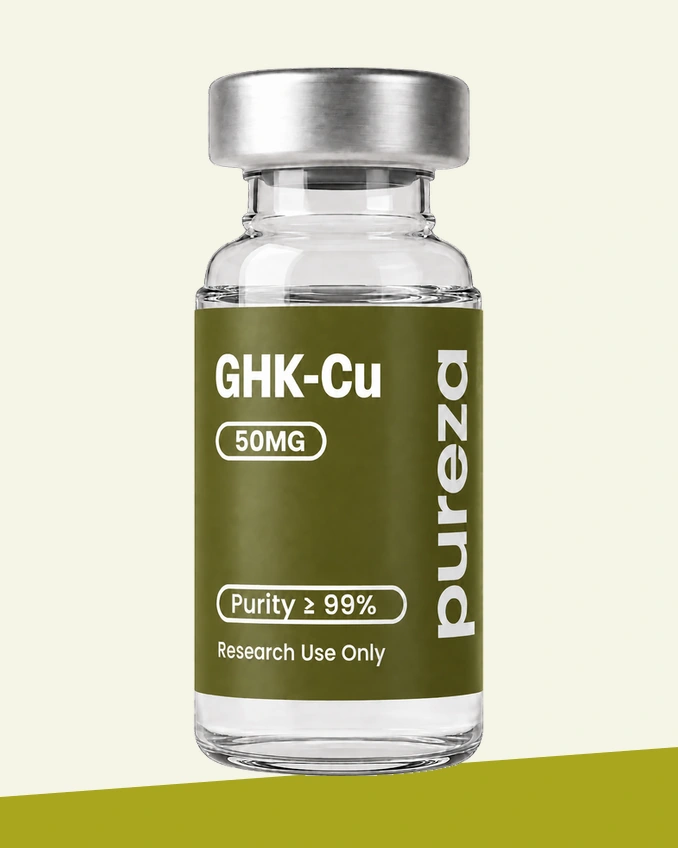
GHK-Cu
50 mg · 100 mg
From $518 MXN
Available variants
View compound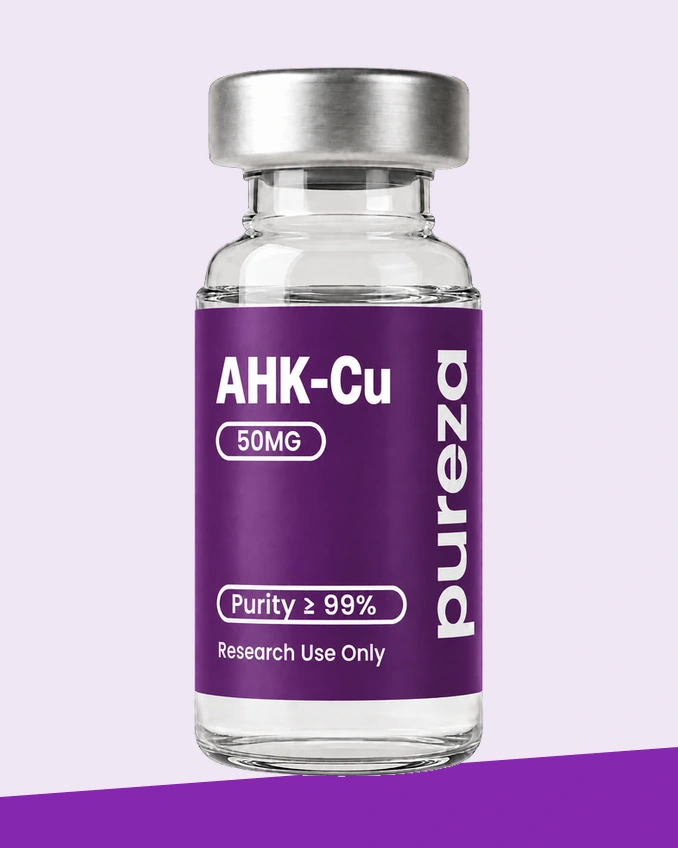
Cellular compounds and copper complexes
AHK-Cu
50 mg · 100 mg
From $864 MXN
Available variants
View compound